



Corns and calluses
Corns and calluses are areas of thick, hardened skin that form where the foot is rubbed or pressed again and again.
Corn and callus care safely removes thick, hard skin that forms where shoes rub or the foot carries extra pressure. A podiatrist trims the hard skin and looks for the cause, such as shoe fit or toe shape. Pads, roomier shoes and orthotics can help stop it building up again.
This care may help if you have hard or painful patches of skin from rubbing or pressure. It is especially important for people with diabetes or numb feet, who should not cut corns at home.
Every visit is a little different. Here is what generally happens.
Your podiatrist asks about your shoes and where the skin hurts.
An exam of the thickened skin and the foot shape underneath.
The hard skin is gently trimmed to ease pressure.
Suggestions for padding, shoes or inserts to help keep it from coming back.
Most people walk comfortably soon after trimming. Corns and calluses can return if the pressure stays the same. Your podiatrist will give you instructions on skin care, padding and footwear.
See a podiatrist if a corn or callus is painful, keeps returning or bleeds. If you have diabetes, numbness or poor circulation, do not cut or use corn plasters at home. Have it checked instead.
Costs depend on your insurance plan and the care you need, so please check your plan with the office before your visit.
Some products contain acids that can harm healthy skin. People with diabetes or poor circulation should ask a podiatrist first.
Corns form where there is ongoing pressure or friction. Changing what causes the pressure is often key.
Regular moisturizing and gentle care of thick heel skin can help. Deep or bleeding cracks should be seen by a podiatrist.
Conditions this service is often used for. Each page explains symptoms, causes and when to see a podiatrist.
Corns and calluses are areas of thick, hardened skin that form where the foot is rubbed or pressed again and again.
Cracked heels are splits in dry, thickened skin around the edge of the heel.
These podiatrists see patients for this service.

Owner and founder
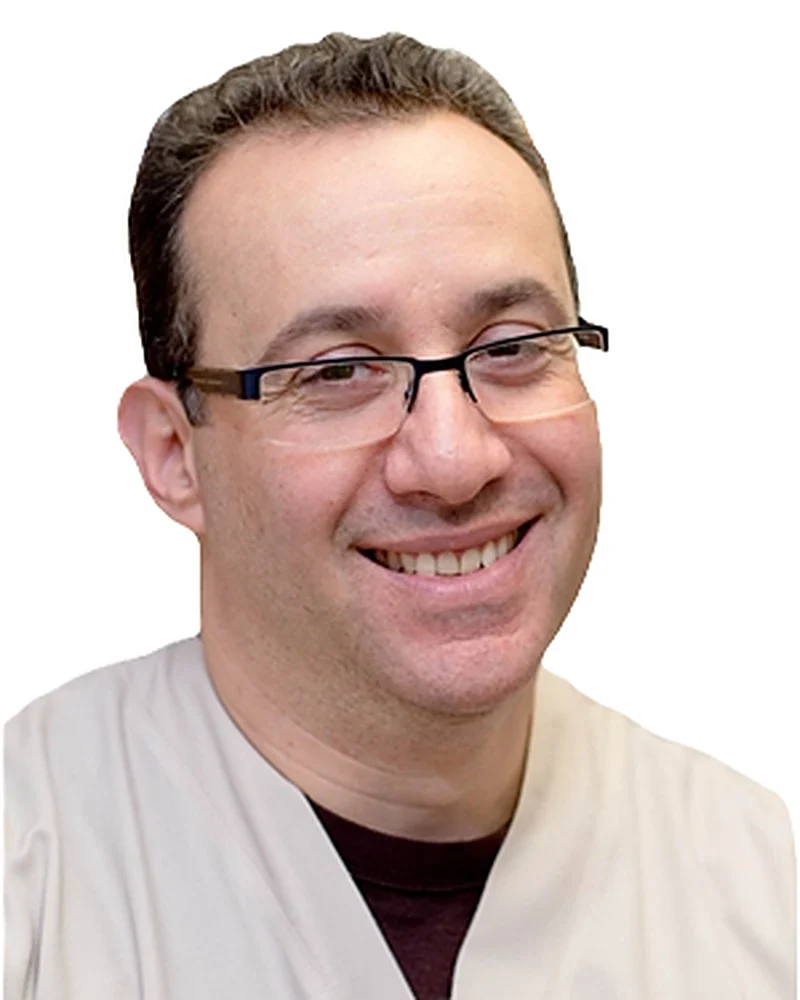
Associate
Associate

Associate

Associate
Associate
You can book this service at these offices.
Brooklyn, NY
Bellerose, NY
Corona, NY
Brooklyn, NY
Woodside, NY
Jackson Heights, NY
Woodside, NY